How often should interior doors be replaced?
Interior doors are one of the most frequently used building components in homes, hotels, offices, and commercial spaces. Many customers ask: “How often should interior doors be replaced?” The answer depends on factors such as material quality, installation standards, usage frequency, humidity conditions, and maintenance. At Chantadoor, a professional manufacturer specializing in door research, development, production, and global sales, we focus on creating durable interior door solutions designed for long-term performance and minimal maintenance.
Under normal indoor conditions, high-quality interior doors can last between 15 and 30 years, while premium engineered or solid-core doors may remain functional for even longer. Industry research shows that properly manufactured engineered wood doors can maintain structural stability for more than 20 years when installed and maintained correctly.
However, not all doors age at the same rate. Low-quality hollow-core doors often experience performance problems much earlier. Studies indicate that lightweight hollow-core doors in high-humidity or high-traffic environments may begin showing signs of wear within 5–10 years. Common issues include:
- Surface peeling
- Door warping
- Loose hinges
- Reduced sound insulation
- Cracking or swelling
Environmental conditions play a major role in determining replacement cycles. According to construction material studies, indoor humidity above 70% significantly increases the risk of deformation and surface damage, especially for traditional painted doors. This is one reason why paint-free PVC and melamine doors are becoming increasingly popular in modern projects. Their moisture-resistant surfaces help reduce long-term maintenance and extend product lifespan.
Usage frequency is another important factor. Interior doors in:
- Hotels
- Offices
- Commercial buildings
- Apartment rental units
typically experience much heavier daily use than residential bedroom doors. Industry data shows that high-traffic commercial doors may require replacement 30–40% earlier than doors used in low-traffic residential spaces.
At Chantadoor, we manufacture interior doors using:
- High-density engineered cores
- Moisture-controlled production systems
- PVC and melamine paint-free surfaces
- Advanced hot-press lamination technology
These technologies improve resistance to:
- Warping
- Bubbling
- Cracking
- Surface aging
Our internal quality testing shows that high-quality paint-free doors can maintain stable structural performance for over 15 years under normal indoor environments with minimal maintenance requirements.
Another reason customers replace interior doors is not structural failure, but design upgrades. Market research indicates that more than 45% of interior door replacement projects are related to:
- Home renovation
- Modern design updates
- Improved sound insulation
- Better waterproof performance
- Property value enhancement
Modern homeowners increasingly prefer solid-core and customized interior doors because they provide better acoustic comfort and a more premium appearance compared with older hollow-core models.
There are also several warning signs indicating that replacement may be necessary:
- Persistent door sticking or misalignment
- Visible swelling or deformation
- Severe surface cracking or peeling
- Poor sound insulation
- Loose internal structure
- Hardware instability despite repairs
Replacing old doors with modern engineered or solid-core doors can significantly improve:
- Acoustic performance
- Energy efficiency
- Interior aesthetics
- Long-term durability
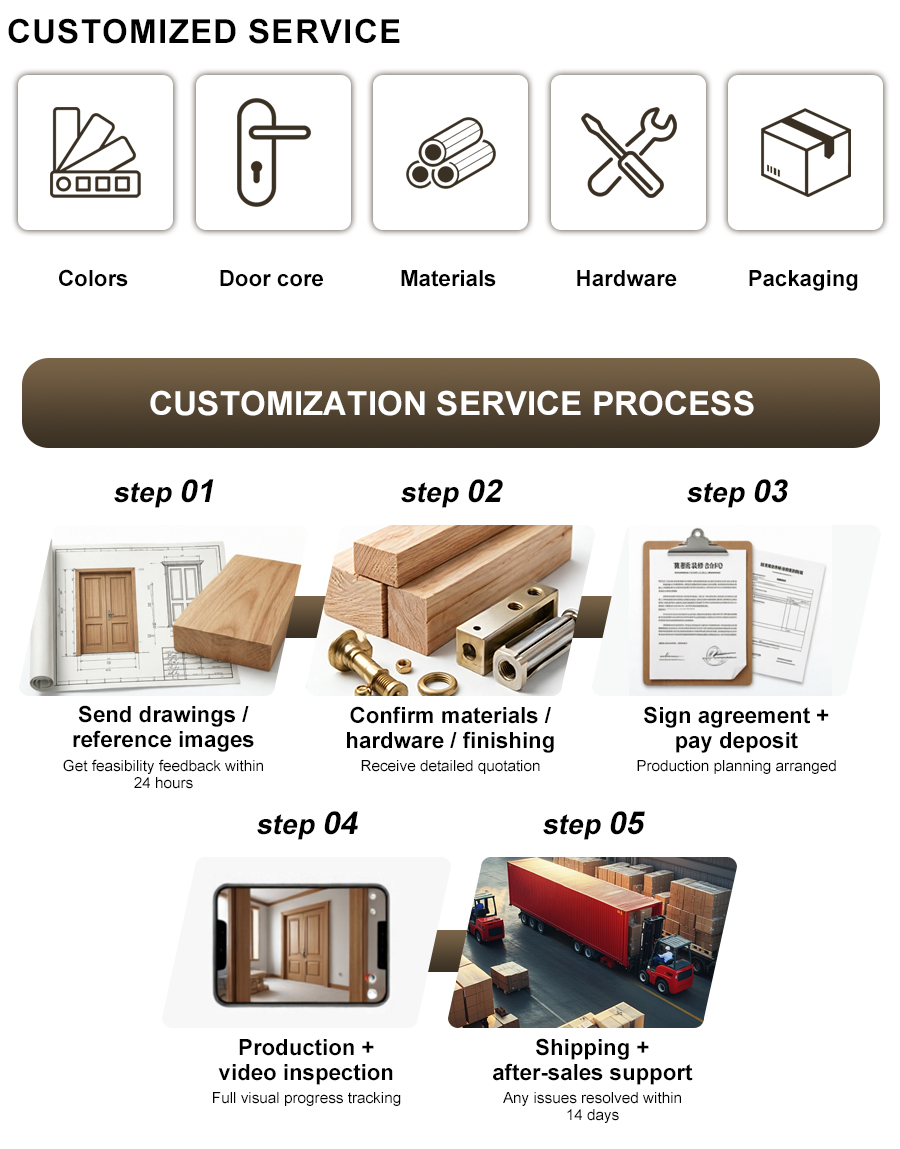
At Chantadoor, we offer customized replacement solutions for residential and commercial projects, including paint-free doors, solid-core doors, waterproof doors, and soundproof interior systems tailored to different application environments.
So, how often should interior doors be replaced? In most cases, high-quality interior doors can last 15–30 years or longer, depending on materials, environment, and maintenance. Choosing durable engineered structures and professional manufacturing technology is one of the most effective ways to extend door lifespan and reduce long-term replacement costs.
With advanced production systems and strict quality control, Chantadoor is committed to delivering reliable interior door solutions that combine durability, modern design, and long-term value for customers worldwide.